


 Kshamata Khadka
Women and Child Protection Practitioner
Pokhara, Nepal
As Nepal prepares for another election cycle, public debate has understandably turned toward economic growth, employment, infrastructure and federal governance. These are pressing national concerns. But as manifestos are drafted and speeches delivered, one issue risks being sidelined: the safety and protection of women and children.
Protection is often treated as a “social issue.” In reality, it is a governance issue.
Every year, Nepal Police register thousands of cases related to domestic violence, sexual assault, child abuse and trafficking. The Nepal Demographic and Health Survey (NDHS 2022) continues to show that a significant proportion of women experience intimate partner violence during their lifetime. While reporting has improved; reflecting growing awareness; the numbers also reveal the depth of the challenge.
These statistics are not abstract. They reflect the daily realities of women in rural municipalities, adolescents navigating digital risks, migrant families facing economic pressure and children growing up in environments shaped by inequality.
Nepal’s shift to federalism created important opportunities. Local governments now hold responsibilities for social protection, safe shelter services, child welfare coordination and community-level prevention. In some municipalities, this decentralisation has led to stronger local engagement and quicker response.
But federalism has also exposed uneven capacity.
In many areas, protection systems depend heavily on individual officers, social workers or local leadership. Training, budget allocation and procedural clarity vary widely. When coordination between institutions is strong, survivors experience systems as supportive. When it is weak, processes can become confusing and burdensome particularly for women and young girls’ survivors of the violence from remote districts to access services.
The legal framework exists. Nepal has laws addressing domestic violence, child protection and trafficking. National plans and provincial strategies have been drafted. The real question is not whether policies exist, it is whether implementation is consistent.
As election rhetoric intensifies, it is worth asking: Where does protection sit in our political priorities?
If governance is to be meaningful, three areas deserve serious attention in the next electoral mandate.
First, strengthening local-level capacity must be prioritised. Federalism shifted responsibility, but not all municipalities have adequately trained personnel or resources. Investing in social workers, improving inter-agency coordination and ensuring regular training for local officials can significantly strengthen frontline response.
Second, prevention must move from the margins to the center. Most public systems focus on responding after harm has occurred. Long-term investment in prevention including school-based education, community dialogue, engagement with men and boys, and economic support for vulnerable households is essential if we want sustainable change.
Third, emerging risks require updated responses. Cyber harassment, online exploitation, unsafe migration and cross-border trafficking are evolving challenges. Protection mechanisms must adapt accordingly.
These priorities are not partisan. They are foundational to social stability and development.
A country cannot claim inclusive progress while women fear reporting violence or children hesitate to seek help. Infrastructure development and economic reform are vital, but they cannot substitute for systems that protect human dignity.
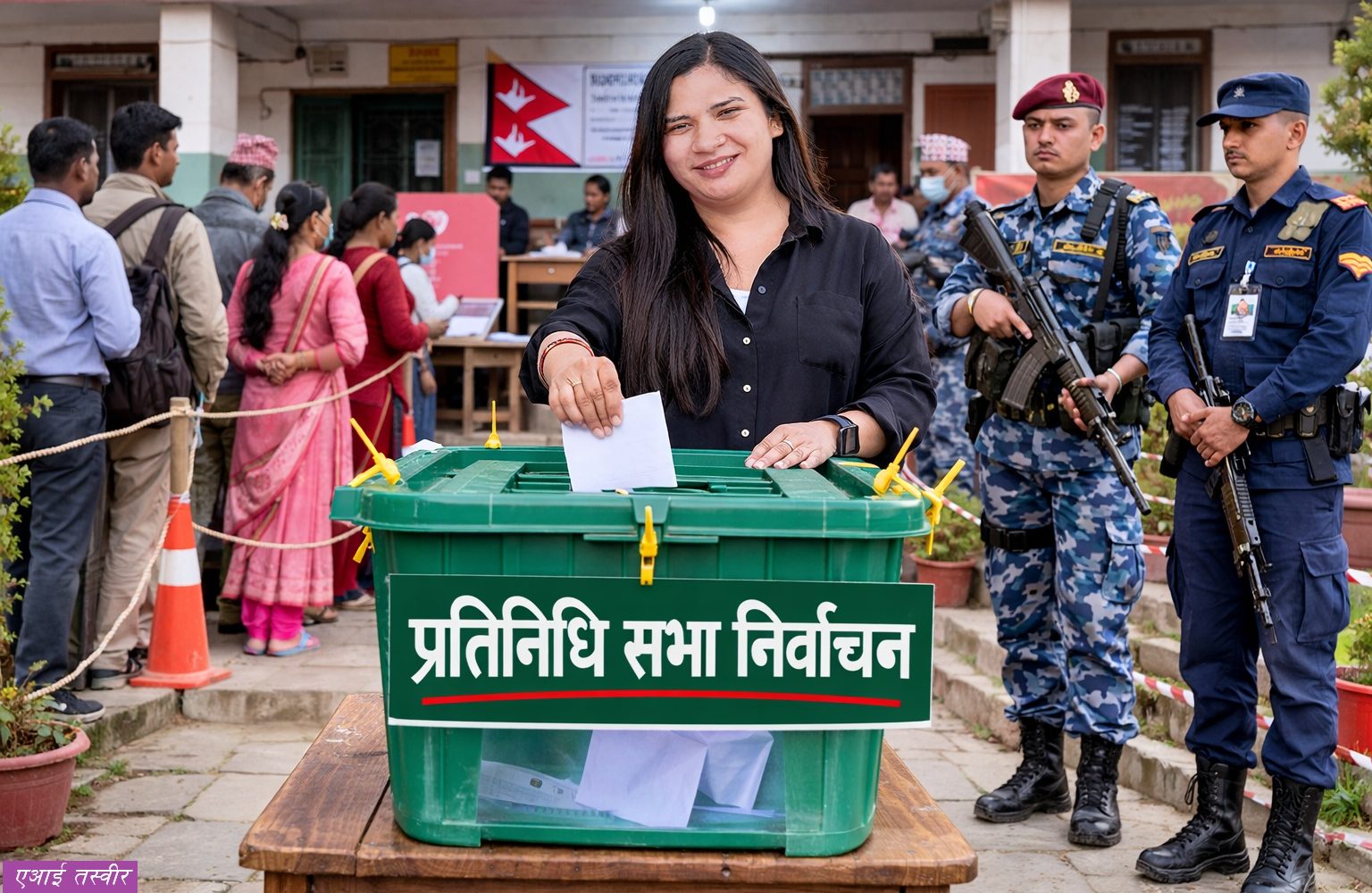
Elections provide more than an opportunity to choose representatives. They offer a chance to shape governance priorities for the next five years.
Protection should not be reduced to a manifesto bullet point. It should be integrated into how we understand development itself.
A strong democracy is measured not only by voter turnout, but by how well institutions serve those most vulnerable. As Nepal heads to the polls, strengthening protection systems is not an optional agenda. It is a necessary one.